Vrygrond
Over the past two years I have spent a significant amount of time in Vrygrond (free ground), the oldest informal settlement in the Western Cape. A community I was welcomed into with open arms filled with so much love, light, and laughter.
At the same time, many families face ongoing challenges shaped by the lasting effects of post-apartheid South Africa. Access to stable employment remains limited, especially for youth and women, making financial stability difficult to maintain.
Many women take on the role of primary caregiver within their households. While this reflects strength and responsibility, it is also influenced by social expectations and limited access to employment opportunities, which can make independence harder to achieve.
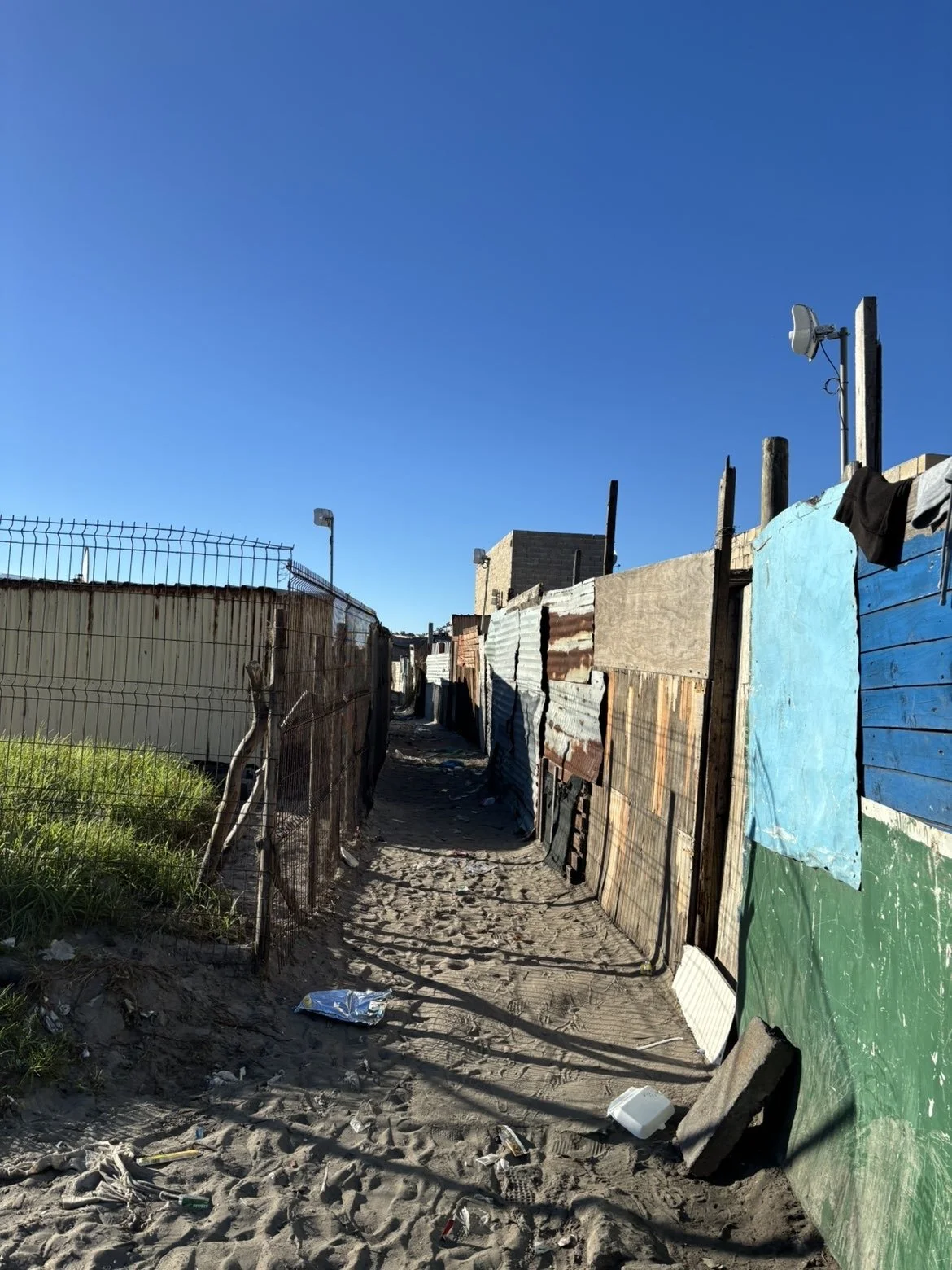
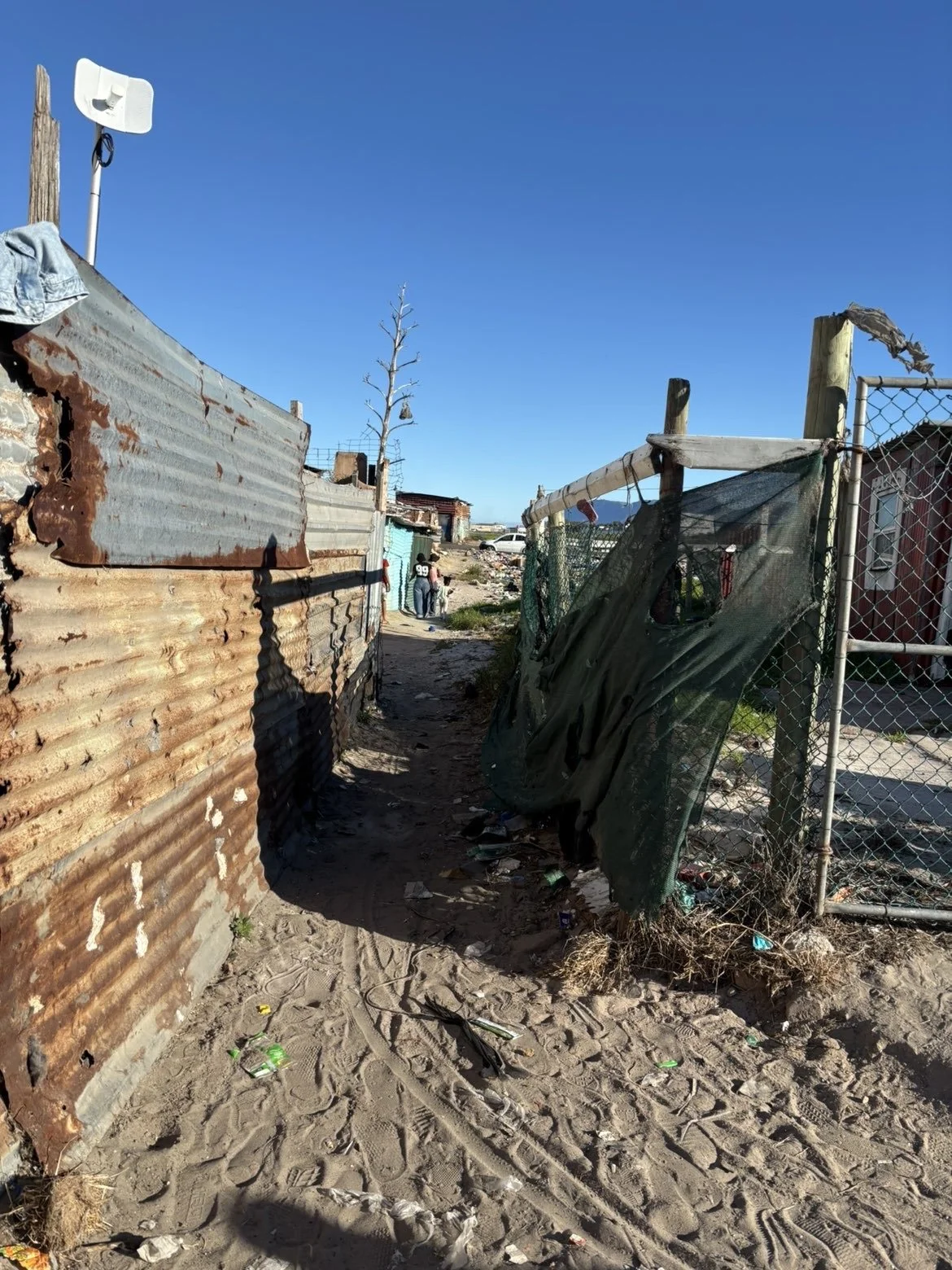
Housing conditions can also present challenges. Some families live in informal structures built from corrugated metal and other temporary materials, which can become vulnerable during periods of heavy rain and at risk of fire in hotter months.
For children, access to consistently safe environments is not always guaranteed. Gang violence affects parts of the community, and many mothers carry a constant concern for their children’s safety as they grow up.
Access to reliable infrastructure, including electricity and safe learning environments, can be inconsistent. Schools and community spaces sometimes face challenges that impact both education and overall well-being.
Despite all of this, these challenges do not define Vrygrond. What defines it is the strength of its women, the energy of its children, and the way people continue to care for one another in the face of adversity.